Program 2026

We are in the final stages of completing the full programme.

Day 1 starts at 10:00 and finishes at 17:00
Day 2 starts at 09:00 and finishes at 16:00

Tirsdag 10. november

Parenting - the capacity for child-centered care - is of key importance for children’s opportunities for recovery after exposure to intimate partner violence. When the capacity of care is limited, children’s responsibility for the situation at home tends to increase to the extent that they may be defined as young carers. However, children's exposure to violence and their positions as next-of-kin and young carers have long tended to be treated as separate issues: in different forums and to some extent by different researchers and different groups of practitioners.

This presentation aims to bridge such gaps in knowledge and practice, and to highlight the need to develop interventions to protect and support children who are both next-of-kin, young carers and exposed to intimate partner violence.

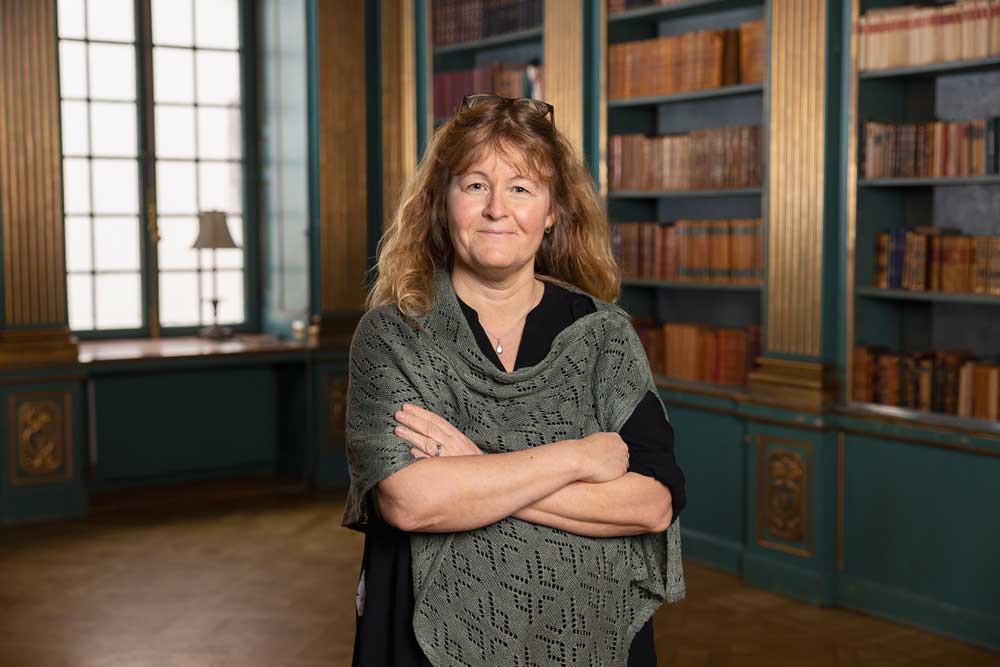
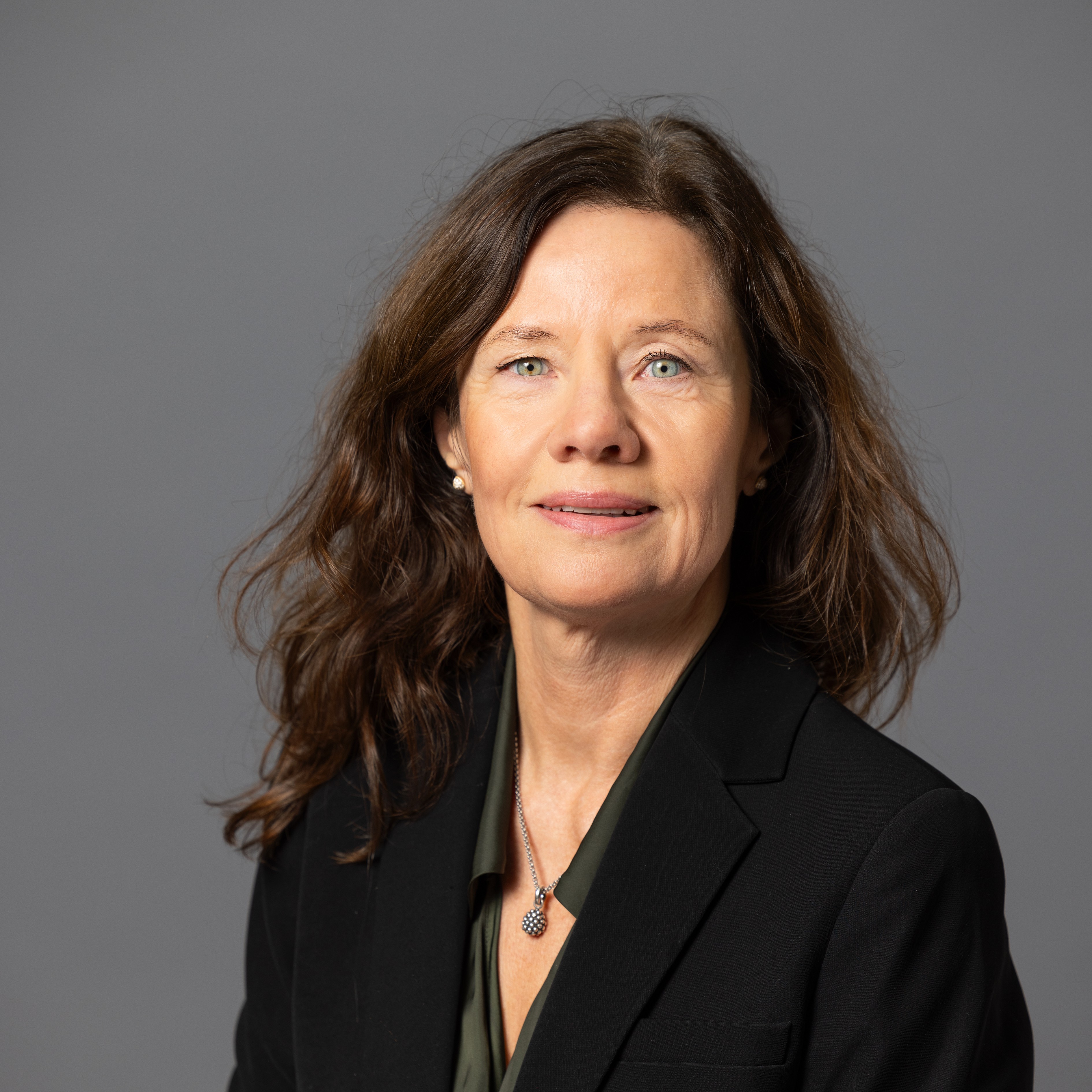
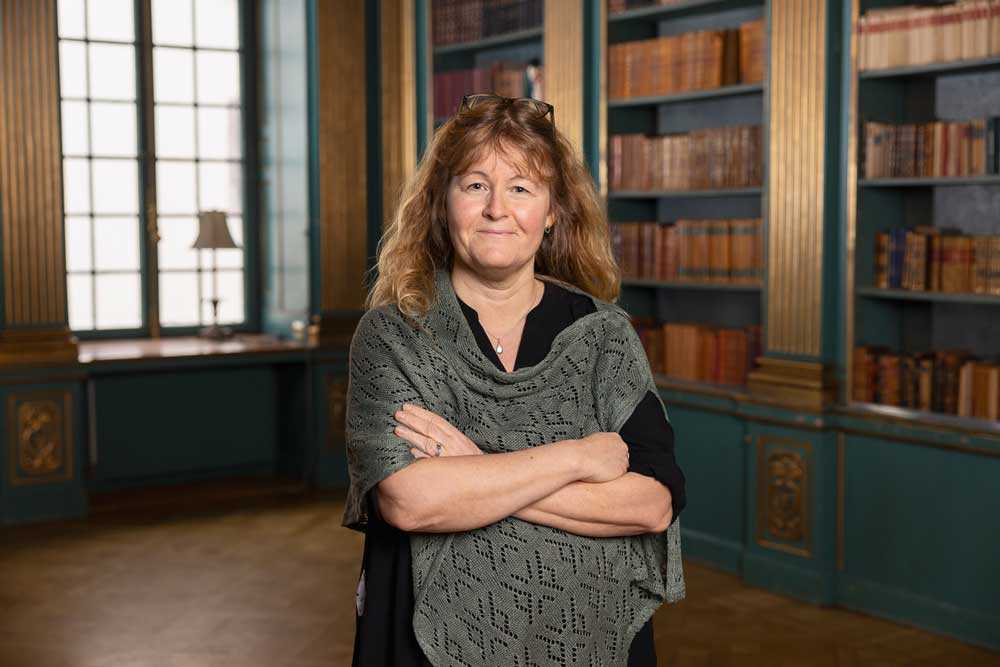
Maria Eriksson is professor of social work at Marie Cederschiöld University, Stockholm, Sweden. She is also deputy vice chancellor for research and third cycle education at the same institution. Her ongoing research includes the research programme Coordinated Interventions against Violence – The responsibility and reach of child welfare (SIV-BAR, 2026-2031), which includes, for example, a longitudinal study of childhood trajectories after exposure to violence in the family (2020-2031) and the development of methods and guidance for risk and safety assessments as well as interventions for children and young people as victims and/or perpetrators of violence.
Violence in family relations disrupts the emotional interaction, attunement and trust between family members. Re-building of these relations requires special focus in how parents can emotionally attune, mirror and validate their children. Secure attachment and safety are built upon emotional availability rather that spoken words. Using video analysis and reflective video feedback may help parents to mentalize their child’s emotional needs in empathetic and insightful way.

MIM/DEIS© is a video-observation method that helps in this process. In the MIM, a parent-child dyad is first assessed in terms of the core dimensions of healthy relationship (Parental Guidance/Child Co-operation, Emotional Engagement, Nurture and Playfulness). In the interventive part, practitioner discusses these topics in a reflective way with the parent using the videos.

The goal is to deepen parents’ understanding, help them to increase their strengths and work with their vulnerabilities. In this presentation, clinical examples are presented and discussed to demonstrate the process, with a special view on family trauma.

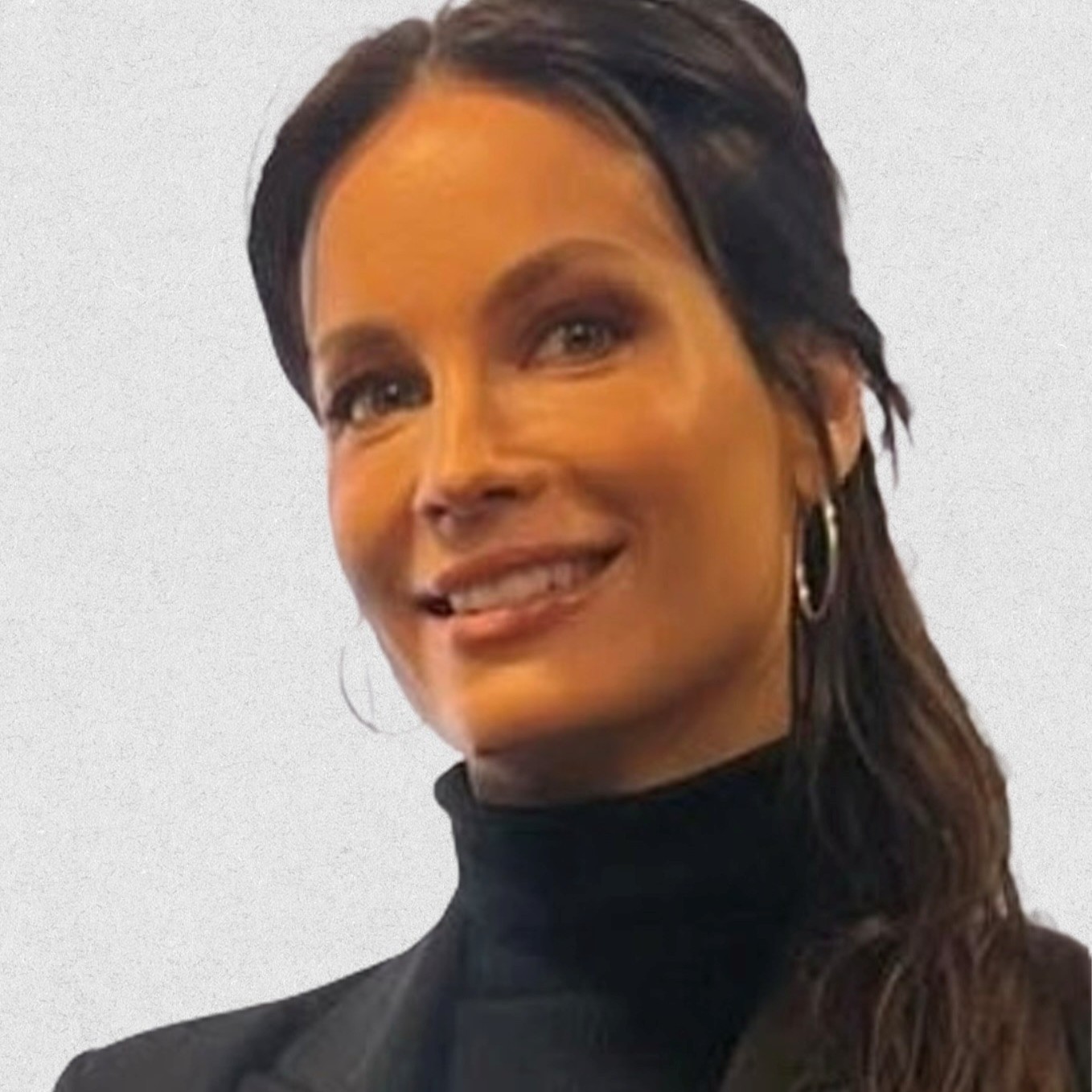
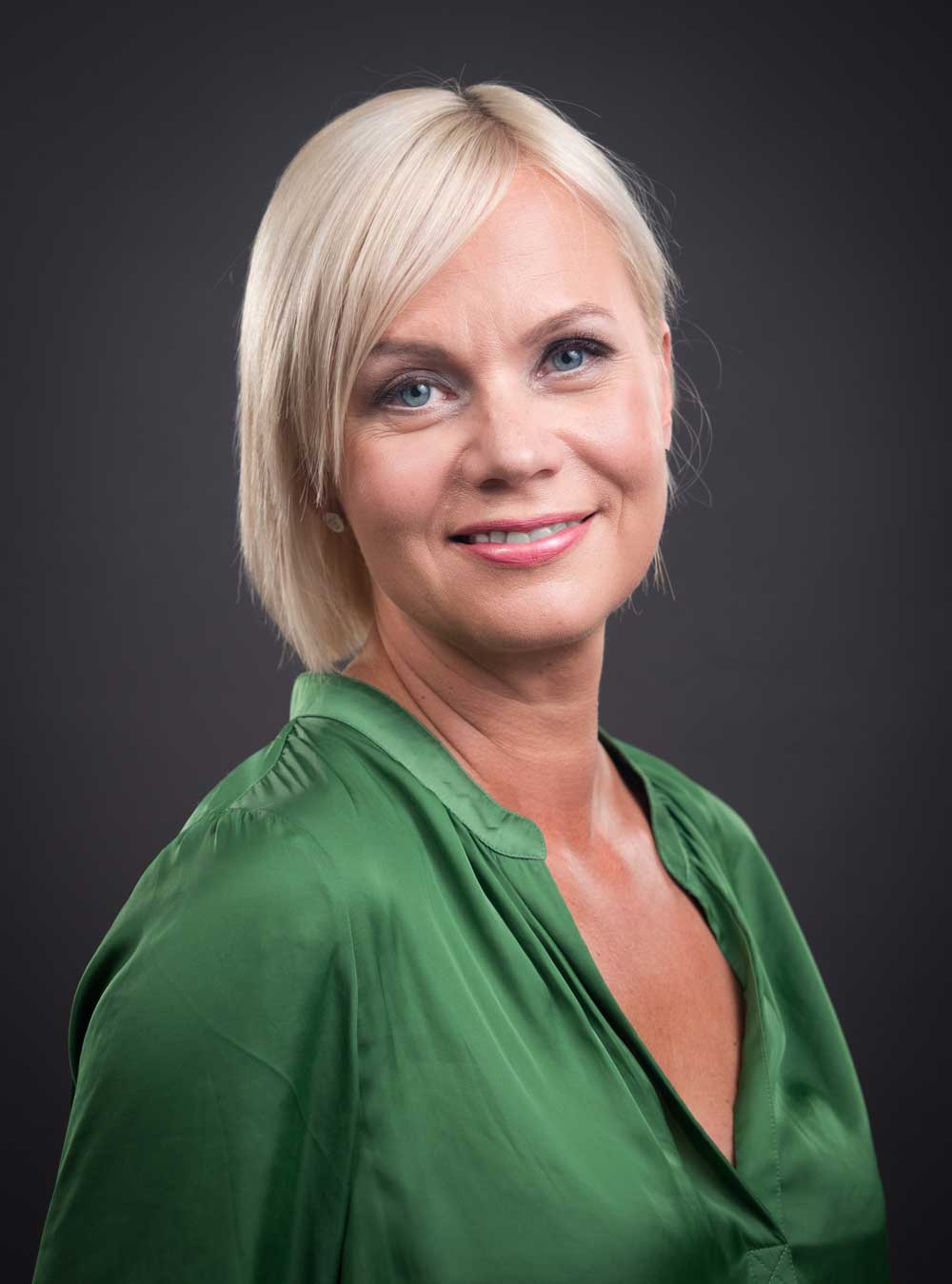
Clinically, I have worked over 20 years at the Helsinki University Hospital, out-patient unit for small children utilizing many attachment/mentalizing based assesments and interventions (including Theraplay and MBT-F). Nowadays I do 20% clinical praxis privately (www.pilkeklinikka.com).

I’m a trainer/supervisor for different methods and interventions (MIM/DEIS © , Emotional Availability Scales®, Theraplay®, MBT-F) both in Finland and internationally.  I have a senior researcher post at the Helsinki University, where I study the transition into parenthood with a focus on parental reflective functioning and early interaction.

I run a clinical study evaluating the implementation and efficacy of various interventions and treatment programs conducted with high-risk parents.
19:00

Onsdag 11. november

Tuesday November 10th

10:00 - 10:30
10:30-11:30

Parenting - the capacity for child-centered care - is of key importance for children’s opportunities for recovery after exposure to intimate partner violence. When the capacity of care is limited, children’s responsibility for the situation at home tends to increase to the extent that they may be defined as young carers. However, children's exposure to violence and their positions as next-of-kin and young carers have long tended to be treated as separate issues: in different forums and to some extent by different researchers and different groups of practitioners.


This presentation aims to bridge such gaps in knowledge and practice, and to highlight the need to develop interventions to protect and support children who are both next-of-kin, young carers and exposed to intimate partner violence.

Maria Eriksson is professor of social work at Marie Cederschiöld University, Stockholm, Sweden. She is also deputy vice chancellor for research and third cycle education at the same institution. Her ongoing research includes the research programme Coordinated Interventions against Violence – The responsibility and reach of child welfare (SIV-BAR, 2026-2031), which includes, for example, a longitudinal study of childhood trajectories after exposure to violence in the family (2020-2031) and the development of methods and guidance for risk and safety assessments as well as interventions for children and young people as victims and/or perpetrators of violence.

11:30 - 12:00
12:00-13:00

Violence in family relations disrupts the emotional interaction, attunement and trust between family members. Re-building of these relations requires special focus in how parents can emotionally attune, mirror and validate their children. Secure attachment and safety are built upon emotional availability rather that spoken words. Using video analysis and reflective video feedback may help parents to mentalize their child’s emotional needs in empathetic and insightful way.

MIM/DEIS© is a video-observation method that helps in this process. In the MIM, a parent-child dyad is first assessed in terms of the core dimensions of healthy relationship (Parental Guidance/Child Co-operation, Emotional Engagement, Nurture and Playfulness). In the interventive part, practitioner discusses these topics in a reflective way with the parent using the videos.

The goal is to deepen parents’ understanding, help them to increase their strengths and work with their vulnerabilities. In this presentation, clinical examples are presented and discussed to demonstrate the process, with a special view on family trauma.

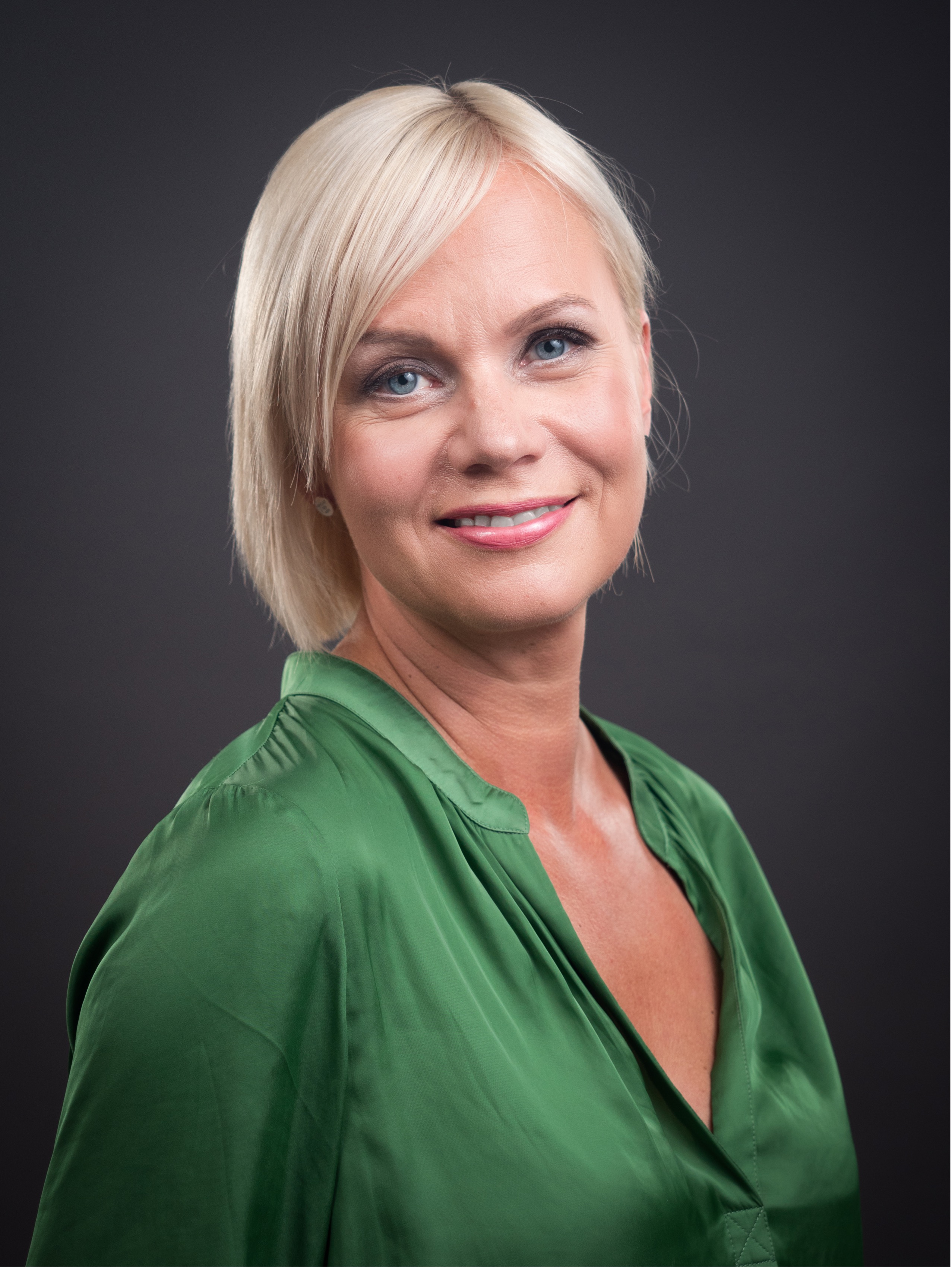
Clinically,Sara Salo has worked for over 20 years at the Helsinki University Hospital,in the outpatient unit for small children, where she has utilized a wide rangeof attachment‑ and mentalizing‑based assessments and interventions (includingTheraplay and MBT-F). She currently maintains a 20% private clinicalpractice (www.pilkeklinikka.com).

She is a trainerand supervisor in several methods and interventions (MIM/DEIS ©, EmotionalAvailability Scales®, Theraplay®, MBT‑F), providing training both in Finlandand and internationally. Salo holds a senior researcher position at theUniversity of Helsinki, where her research focuses on the transition to parenthood, particularly parental reflective functioning and early interaction.

In addition, she leads a clinical study evaluating the implementation andeffectiveness of various interventions and treatment programs aimed at high‑riskparents.

13:00 - 14:00
14:00 - 15:15

Eight parallel workshops will be offered. Participants are free to choose which session they wish to attend; however, please note that some rooms have limited capacity.


The full overview of workshops will be published once all sessions have been finalised.


A list of the individual workshops will be made available here in due course: http://atv-nordisk.no/workshops

15:15 - 15:30
15:30-16:00

Why do some adolescents who suffer violence go on to inflict it? This talk examines the internalization of trauma and the psychological shift from victim to aggressor. Through concepts such as reenactment, inner saboteur, and identification with the aggressor, we explore how unprocessed pain may be transformed into outward violence. The lecture focuses on how this trajectory can be understood — and disrupted.

Licensed Clinical Psychologist (University of Oslo) and specialist with extensive expertise in treating children and adolescents with personality and conduct disorders. A sought-after lecturer at Norwegian universities, he also provides expert consultation to the National Criminal Investigation Service (Kripos) and supervises child welfare institutions. He is the author of the recently published book Children Who Use Violence: From Normal Psychology to Pathology (in Norwegian: Barn som utøver vold), which is also available in Danish.

16:00-16:30

The talk will focus on the treatment of young people dealing with aggression and/or violence issues. How can you build a therapeutic alliance with a young person who is not necessarily willing to share and might not even experience having a problem, and how can you motivate them to make a change?

Experience in clinical practice will be shared, i.e. treating violent behavior in young people, but also carefully addressing the underlying psychological mechanisms affecting them, in order to find alternatives to violence.


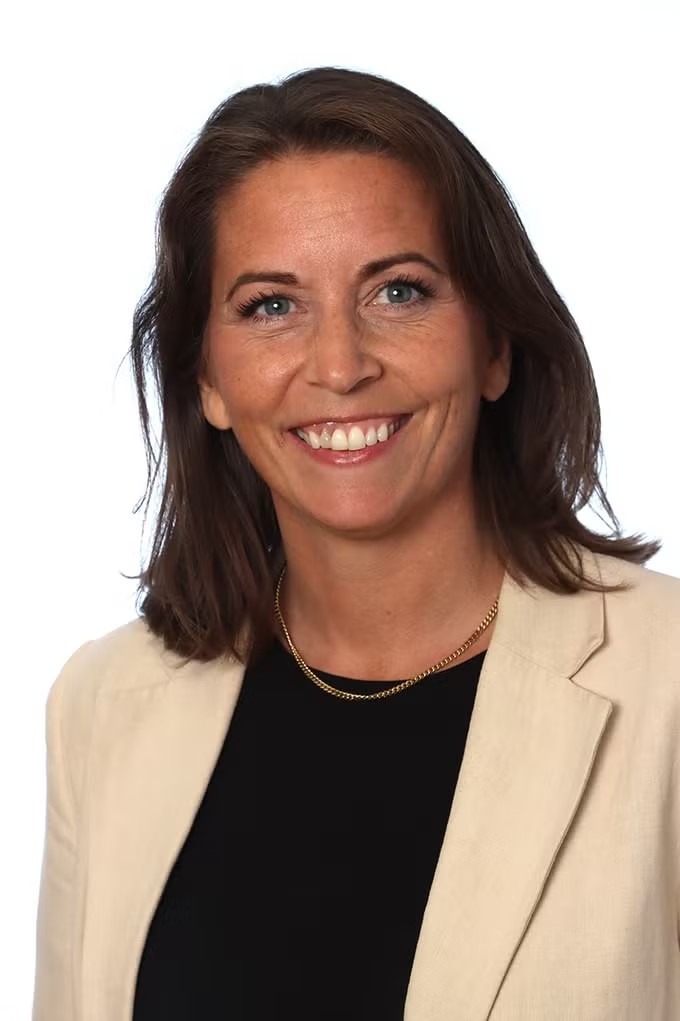
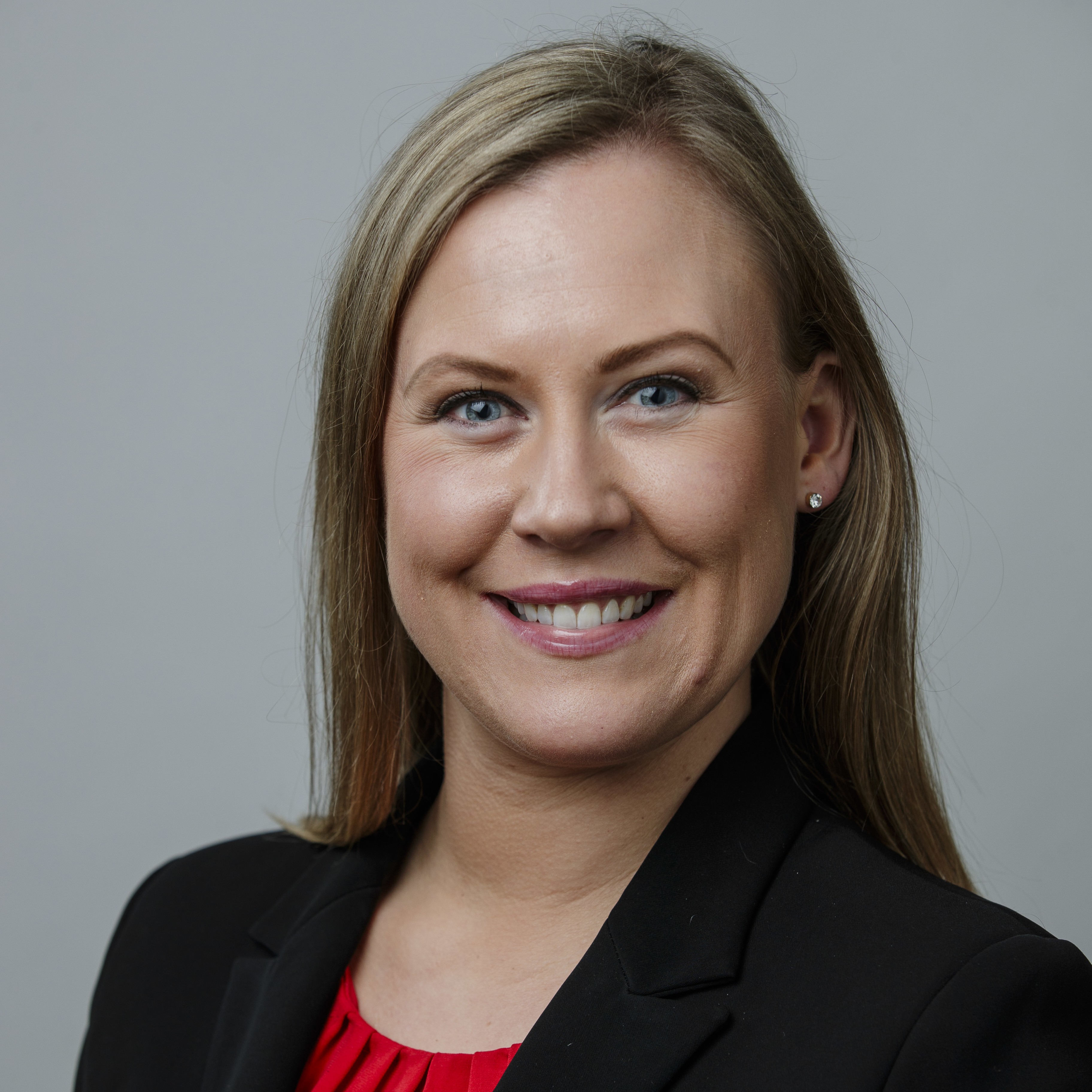
Hanne Eriksen is a clinical psychologist and unit manager for ATVs office in Drammen. She has worked in Alternative to Violence for many years, specializing in thetreatment of young people dealing with aggression and violence issues.

She hascontributed to the development of ATVs’ own approach to prevention andtreatment of violence issues in young people. In addition to therapy, shesupervises social workers, police and juvenile courts on how a psychologicalperspective can be used in understanding, treating, and preventing youthviolence.


Wednesday November 11th

09:00-09:30

Knowledge about family violence is constantly evolving. This presentation provides an overview of the field— the development from early conceptualizations and understandings regarding men who use violence against their female partners, and how this understanding has influenced the development of interventions.

Research in Norway, particularly on men in treatment at ATV, will be presented within an international context. Newer, more sophisticated, and nuanced concepts and understandings of the phenomenon violence within a family context must have implications for support and treatment measures and provide direction for further development in the field

Ingunn Rangul Askeland is aclinical psychologist and has worked at Alternative to Violence (ATV) for over30 years. For several years she was also working as a researcher at Norwegiancentre for violence and traumatic stress studies (NKVTS). She has a PhD inpsychology. Her research has been on men in psychotherapy for violence againsttheir female partner and their children, what characterizes this group and whatchanges during and after treatment.

09:30-10:15

To overcome a violent pattern requires both courage and endurance. The pathway of change involves not only ending the use of violence but also engaging deeply with—and transforming—the personal struggles that fuel it. The therapist, likewise, must dare to face the brutality of violence, bring forward the expertise that enables meaningful change, and remain steadfast through the repeated efforts that genuine personal growth demands. The keynote speaker will explore the client’s and the therapist’s bravery and sustained engagement.

Bente Lømo is a specialist in clinical psychology with broad experience in clinical practice related to substance addiction, exposure to and perpetration of intimate partner violence. She completed her PhD by researching therapeutic change processes among men who had perpetrated violence against their female partners.

In 2025, Lømo published Challenging Therapy: Alliance and Change Work in IPV Treatment, a book examining the challenges therapists and clients often face in their efforts to establish a therapeutic alliance and to change the client’s violent behavior.

10:15 - 10:45
10:45-11:25

This talk delves into the therapy room to explore the unique needs of survivors of intimate partner violence, and the challenges therapists encounter in this work. How can Emotion-Focused Therapy (EFT) serve as a comprehensive map, guiding both the therapist and helping the client reclaim the pieces of themselves that were lost through living with violence.

Survivors often describe a profound difficulty in accessing their own feelings and needs. Piece by piece, their own needs become secondary to those of their partner. Following a break-up, additional burdens arise as survivors navigate services and loved ones who may be caught between competing narratives.

We will explore practical applications of EFT, including chair-work techniques, and address emotional dysregulation. This approach empowers survivors to heal, without therapists getting entangled in the complex question of whose narrative holds the "truth."

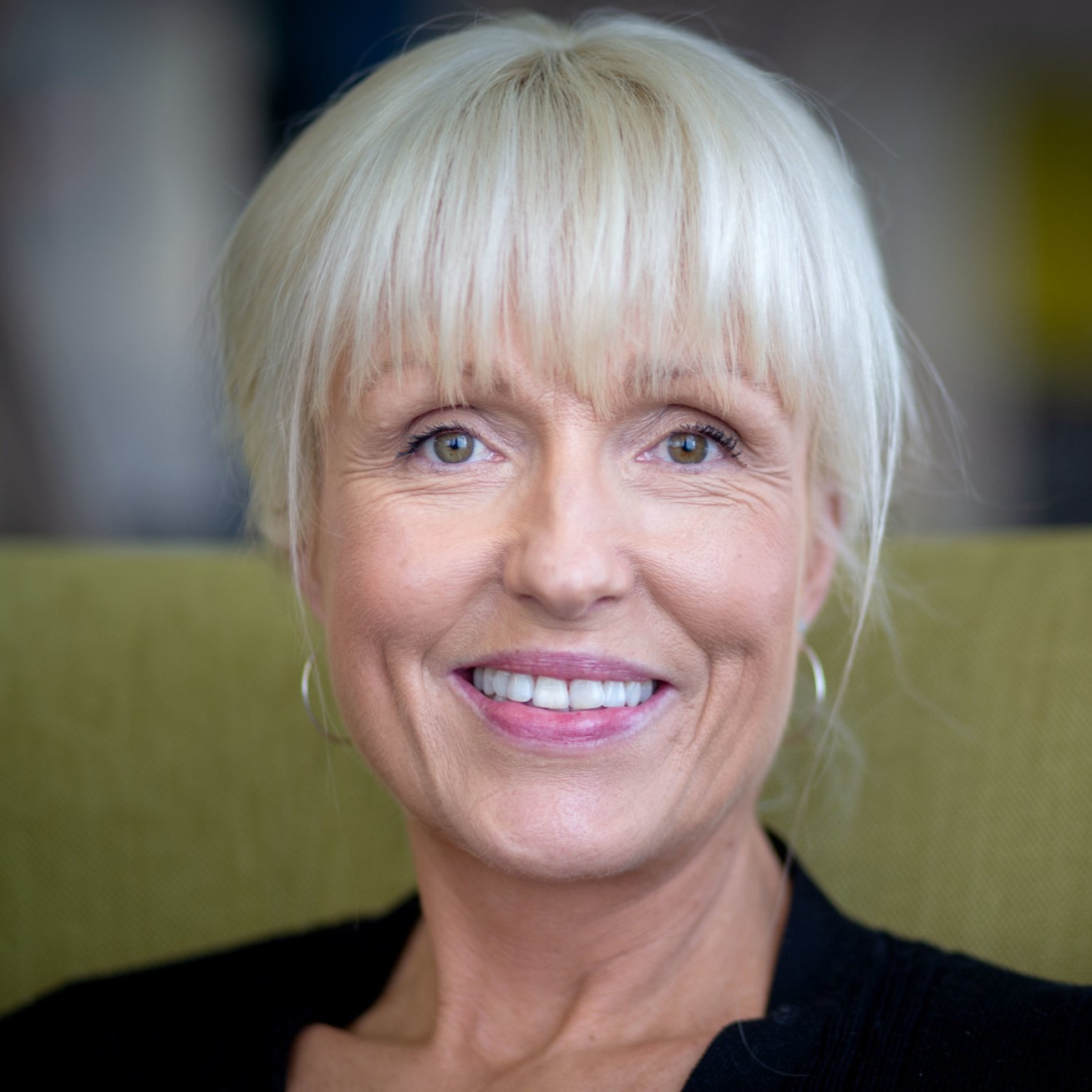
SiljeFredheim is a specialist in Clinical Psychology at Alternative to Violence. Shehas worked extensively on further developing therapy for victims of IntimatePartner Violence. Silje has a specialization in Emotion-Focused Therapy anduses body-oriented approaches, like yoga, in her work with survivors. She ispassionate about how society treats survivors and how we can create servicesthat meet survivors with respect and support. She and her team now have grantsto develop an emotion-focused group therapy model for mothers living withpost-separation abuse.

11:25-12:00

This keynote draws on my research on violence against women and examines how women navigate and resist violence within precarious social, cultural, and institutional terrains. The presentation explores how violence is often shaped and sustained through institutional practices, dominant narratives, and social responses that can obscure responsibility and silence survivors.

Drawing on Response Based Practice, the talk highlights how women continuously respond to violence through subtle and overt forms of resistance. Particular attention is given to the role of language, documentation, and social responses in either reinforcing or challenging power relations. By foregrounding women’s agency and resistance, the keynote invites practitioners and researchers to reconsider how violence is understood, represented, and addressed in professional contexts.

Bushra Hanif is a researcher specialising in violence against women, supporting organisations in strengthening their responses to women affected by violence through training and advisory services in the Response-Based Practice method.


With more than seven years of hands-on experience as a Specialist Violence Advisor at Dansk Kvindesamfunds Krisecentre, Bushra is an expert in Response-Based Practice and Coercive Control. She has recently completed her research work at Roskilde University.


Her research and professional practice are characterised by a strong qualitative approach, reflecting the methodologies applied throughout her PhD studies. In her dissertation, Bushra explores the nuances of Response-Based Practice in depth, examining its application and implications in contemporary contexts.

12:00 - 13:00
13:00-14:15

Eight parallel workshops will be offered. Participants are free to choose which session they wish to attend; however, please note that some rooms have limited capacity.


The full overview of workshops will be published once all sessions have been finalised.


A list of the individual workshops will be made available here in due course: http://atv-nordisk.no/workshops

14:15 - 14:30
14:30 - 15:20

Gary Barker, PhD is an international voice for healthy manhood, gender equality and violence prevention. He holds a Master’s in Public Policy from Duke University and a PhD in Developmental Psychology from Loyola University-Chicago.

He is the founder and CEO of Equimundo Center for Masculinities and Social Justice , an international organization that works globally, including the US, to engage men and boys in healthy masculinities. Gary Barker has led global action to engage men as fathers and caregivers, including co-authoring the State of the World’s Fathers reports.

He has received an Ashoka Fellowship, an Open Society Fellowship, and a Voices of Solidarity Award from Vital Voices for his research and activism. In 2019 he was named by Apolitical as one of the 100 most influential persons in gender equality globally. Gary advises UN agencies, corporations, and governments on engaging men as allies in gender equality.

15:20 - 15:55

Anger is good, anger motivates action!

I am now leaving Alternative to Violence (ATV), after spending 39 years passionately working to prevent violence towards women. It all started in 1987 when the psychologists Per A. Nørbech and yours truly, started ATV, Europe’s first treatment center for men who commit violence towards their partners. We became a part of the fight against violence towards women, a fight lead by Norwegian feminists and the women’s shelter movement. Rebellion and anger have always been our driving force. Anger towards the suppression of women, towards injustice, societal neglect of violence, and the power of patriarchy. Without anger nothing would have changed. Anger is good!

In his talk Isdal follows this fight through the last 40 years in the Nordic countries. He will highlight how it has developed through the years, using his own experiences from the therapy room to shed light on important milestones. On the surface, it may look as if all is well, but if we look closer, it is not. Women’s rights are experiencing a backlash globally and nationally. Violence towards women and its causes are obscured and trivialized, budgets are cut, and there is no progress where it should have been change by now. All symptoms of a society run by forces that still does not want to take violence and suppression seriously

This should make us upset and angry. Anger is good. Anger motivates action and anger is necessary in the future!

Per Isdal is a specialist clinical psychologist and author of professional literature. He was involved in establishing Alternativ til Vold in 1987, and has worked with domestic violence for nearly 37 years. Isdal has published, among other works, Meningen med vold and Smittet av vold (The Price of Compassion / Medkänslans pris), in which the “Campfire Method” is presented as a key preventive tool against strain and burnout in helping professions.

is a specialist clinical psychologist and author of professional literature. He was involved in establishing Alternativ til Vold in 1987, and has worked with domestic violence for nearly 37 years. Isdal has published, among other works, Meningen med vold and Smittet av vold (The Price of Compassion / Medkänslans pris), in which the “Campfire Method” is presented as a key preventive tool against strain and burnout in helping professions.

15:55 - 16:00

Thank you for being with us,  we look forward to welcoming you back in 2028!

atv-nordisk.no
konferanse@atv-stiftelsen.no